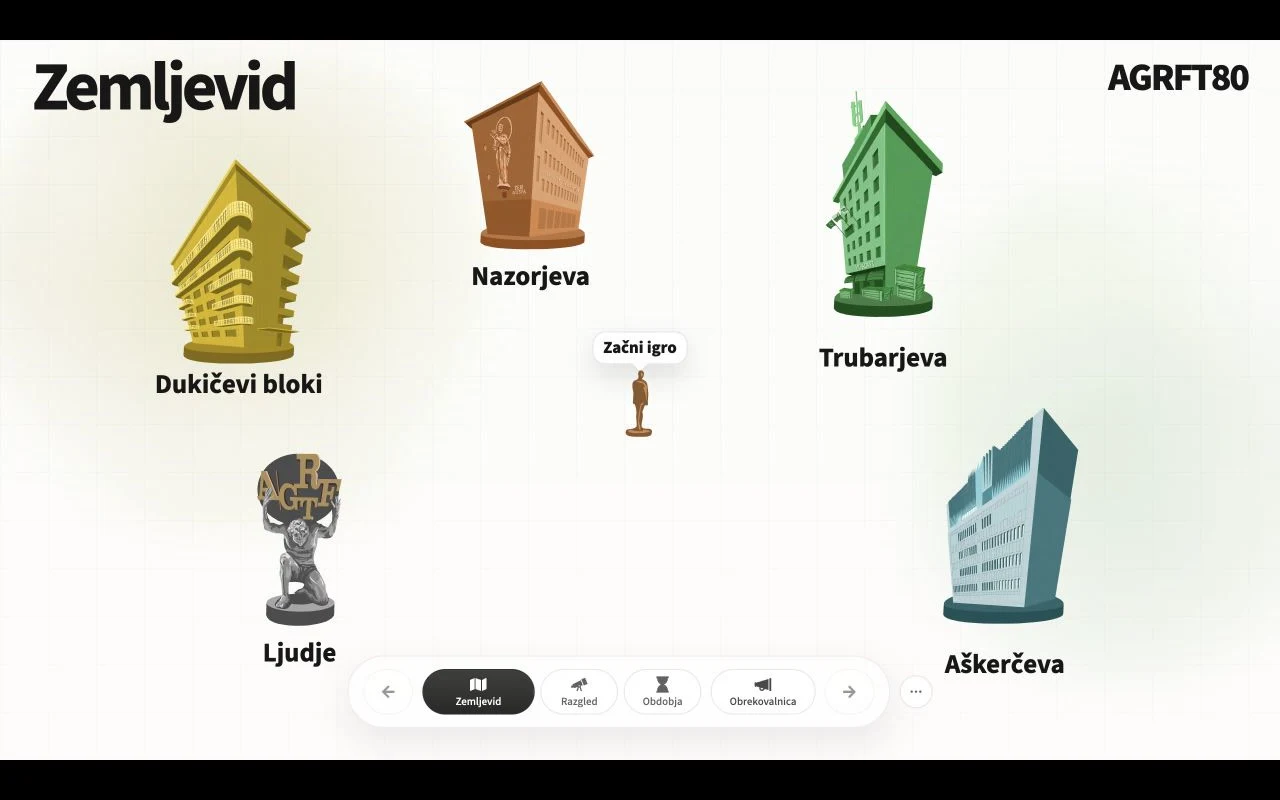
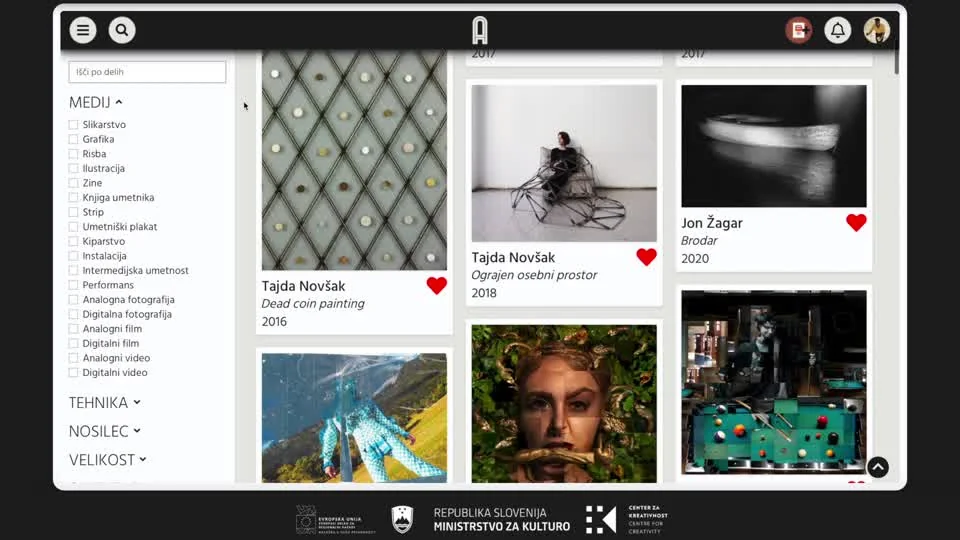
AGRFT80 needed to turn diverse archival materials into an accessible online exhibition within a short deadline. Following Simona Ješelnik’s exhibition concept, I designed and developed the website, search, multimedia displays and custom editorial tools, testing and refining them with archivists during content preparation.
Email-based reservations made it difficult for the festival team to oversee bookings and available places. Working from Črt Mate’s designs, I built a website and custom booking system connecting the programme, capacities, confirmations and admission lists. Visitors can reserve without an account, while organisers manage bookings in the same environment.
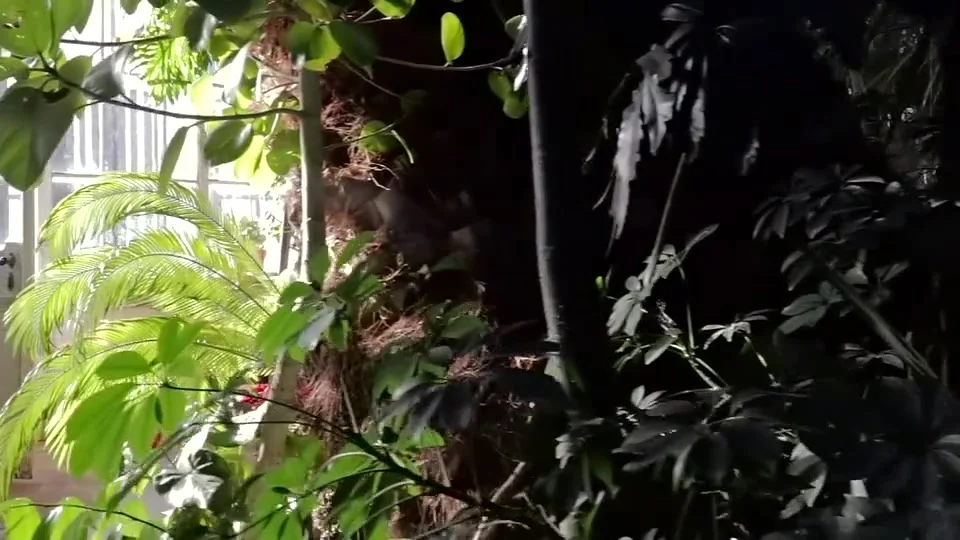
tremolo needed a visual approach to research into insects’ vibrational communication that preserved the sound composition’s central role. Working with Brane Zorman and Boštjan Perovšek, I filmed and edited extreme slow-motion imagery, moving between recognisable reality and lyrical, altered time to support an immersive listening experience.
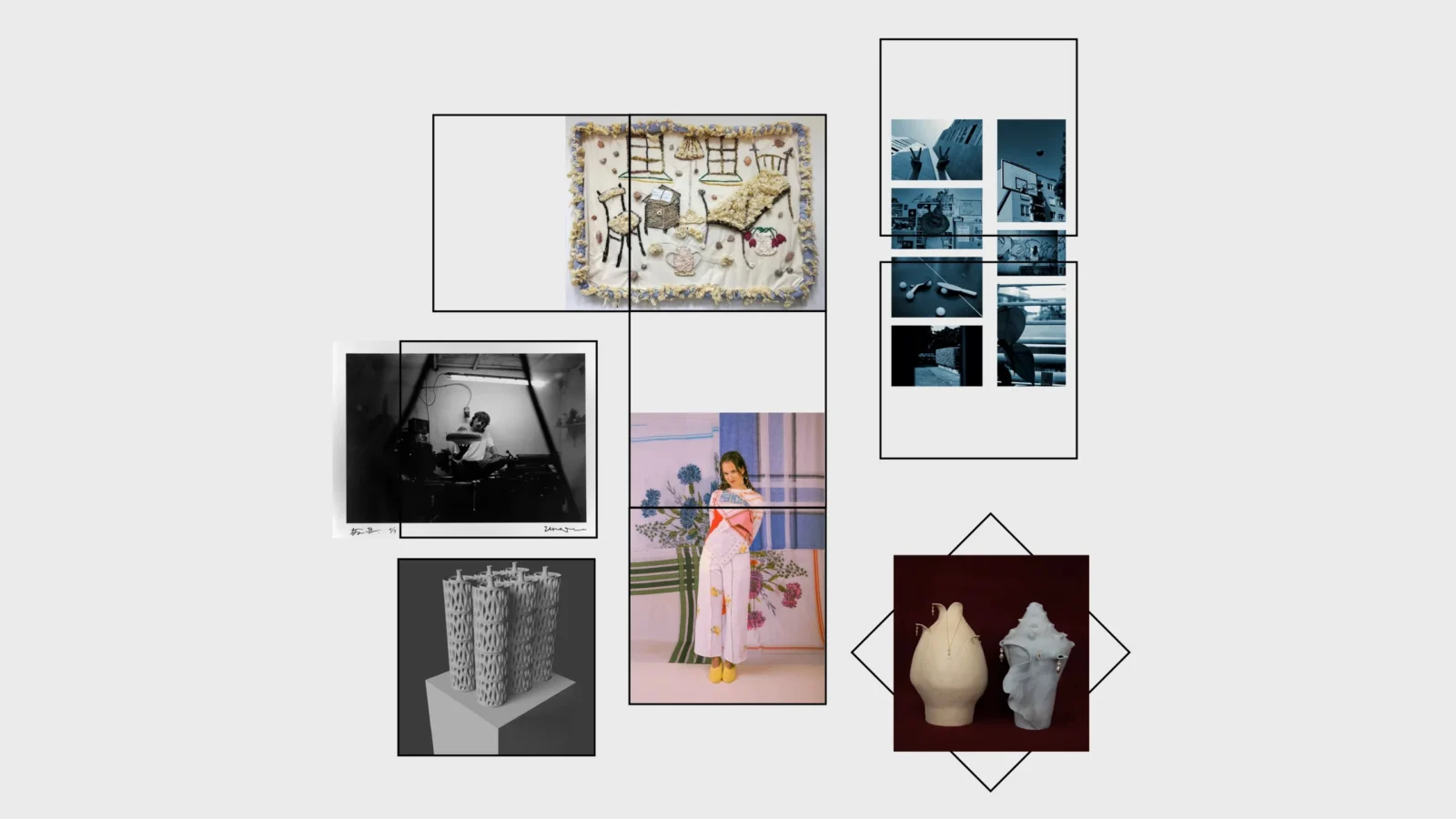
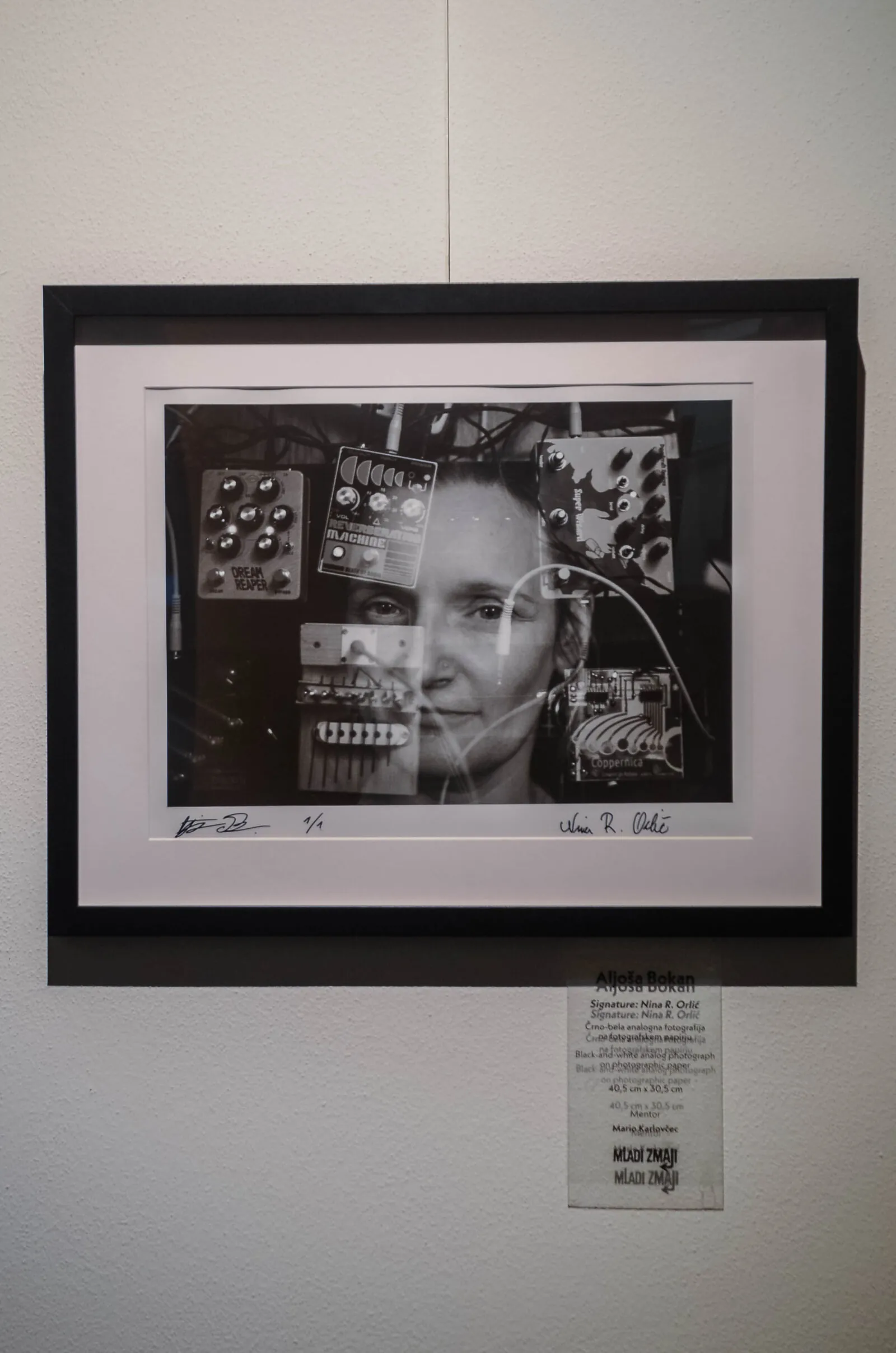
The public institute Mladi zmaji needed to bring diverse cultural projects into a coherent exhibition that also introduced BAZA, their new youth centre in central Ljubljana. I developed the curatorial framework, text and spatial layout, then delivered the exhibition, from installations and custom audio players to subtitles, labels and printed materials.
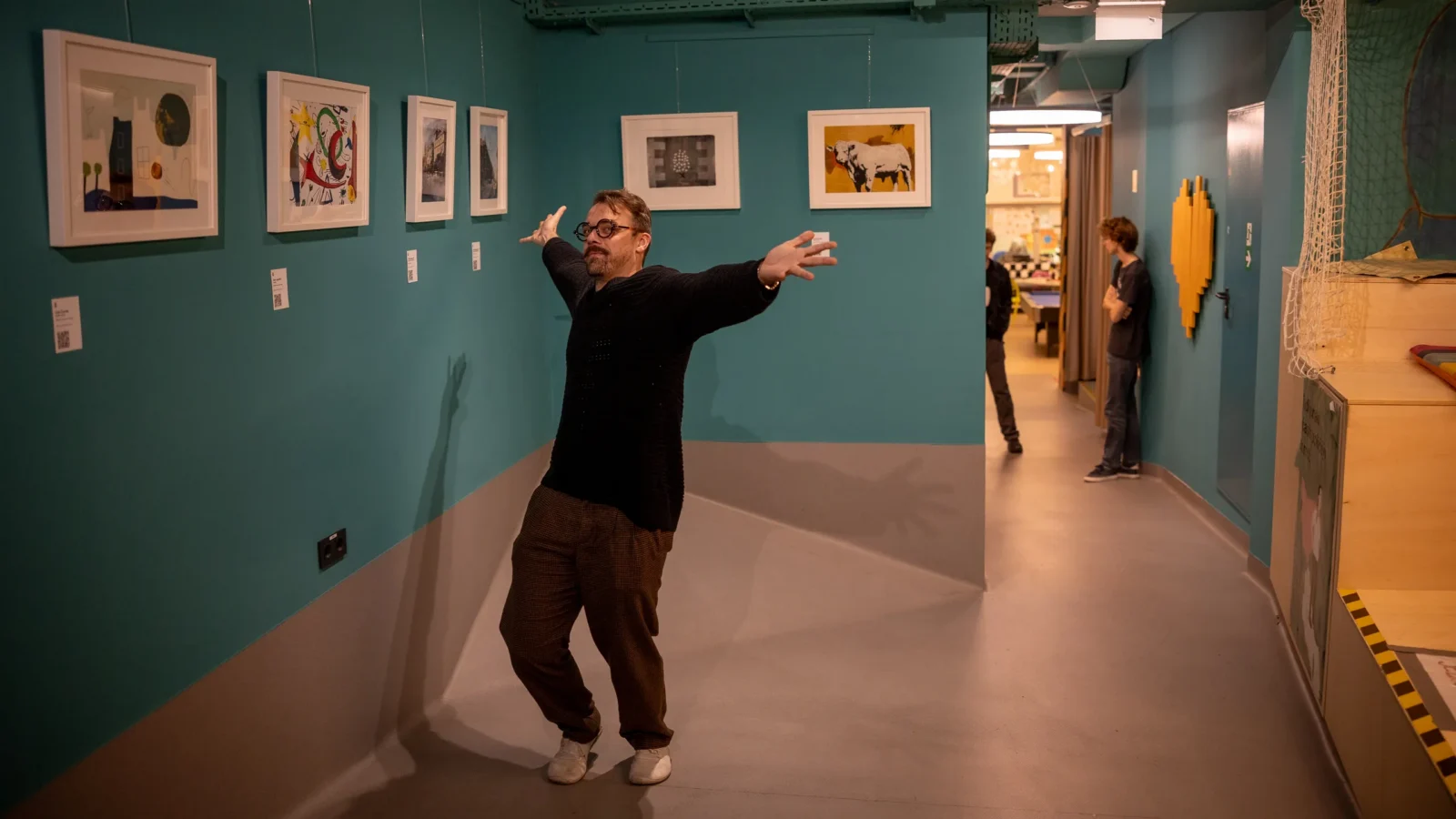
An extensive catalogue of Patrik Dvorščak’s work needed a text that addressed the breadth of his practice and the complex thinking behind its direct visual language. I developed a philosophical interpretation within a historical and conceptual context and translated the essay into English, complementing it with photographs of the exhibition installation.
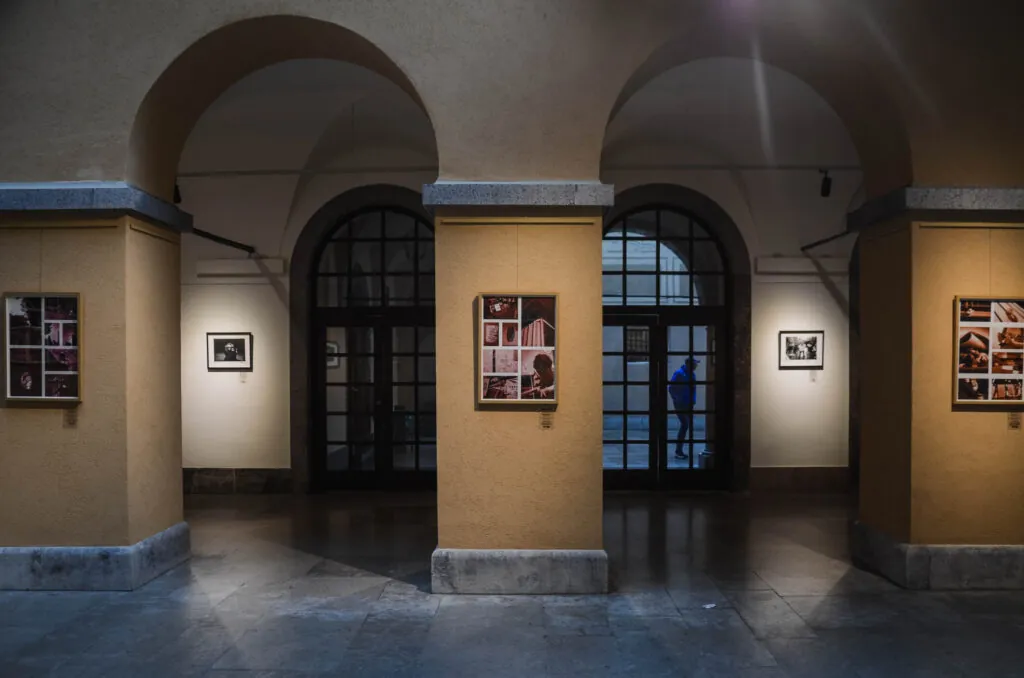
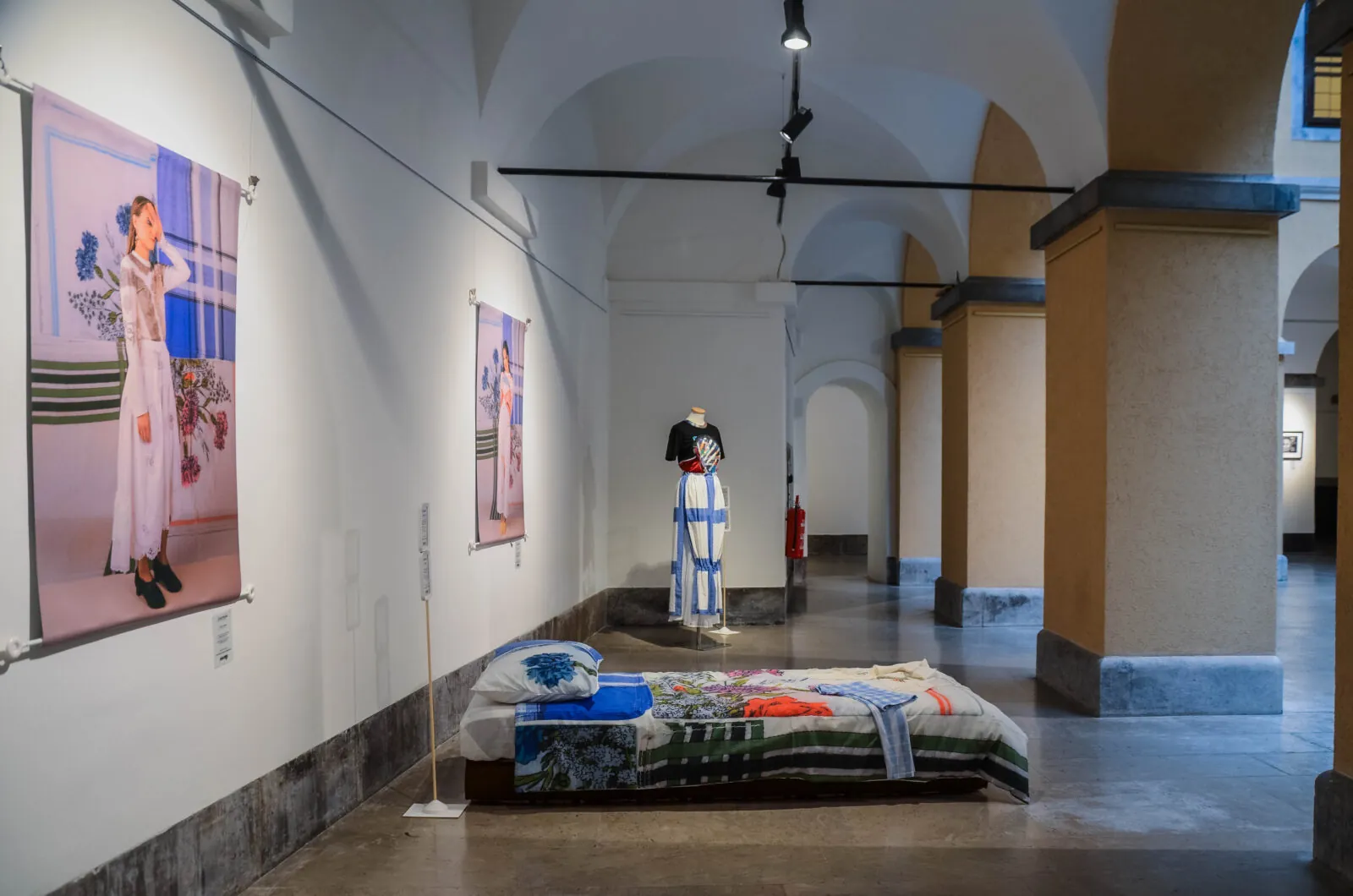
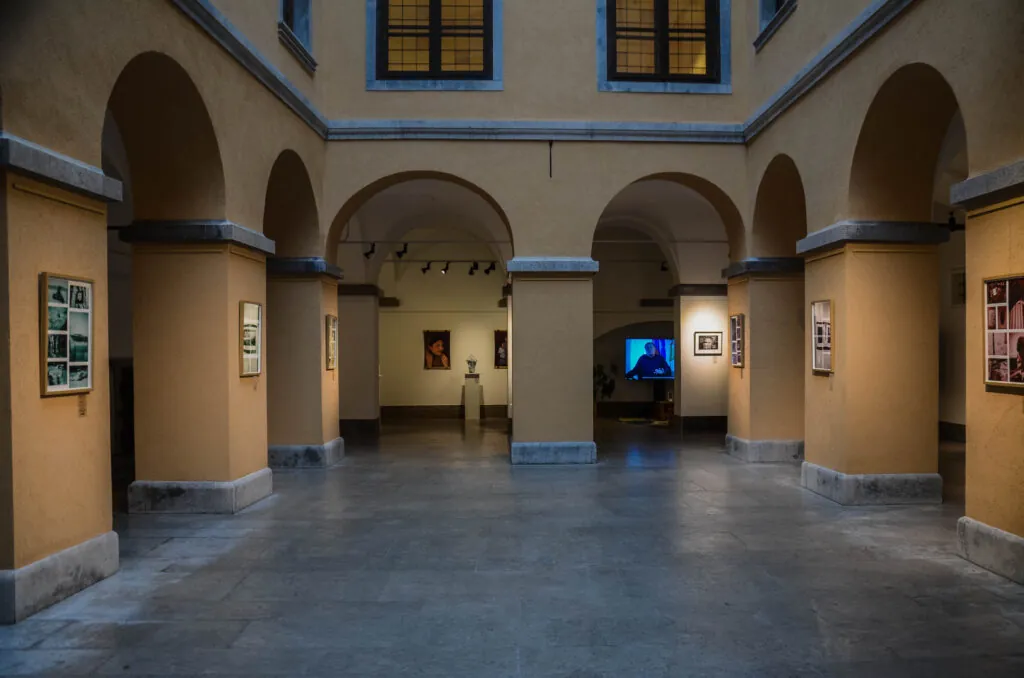
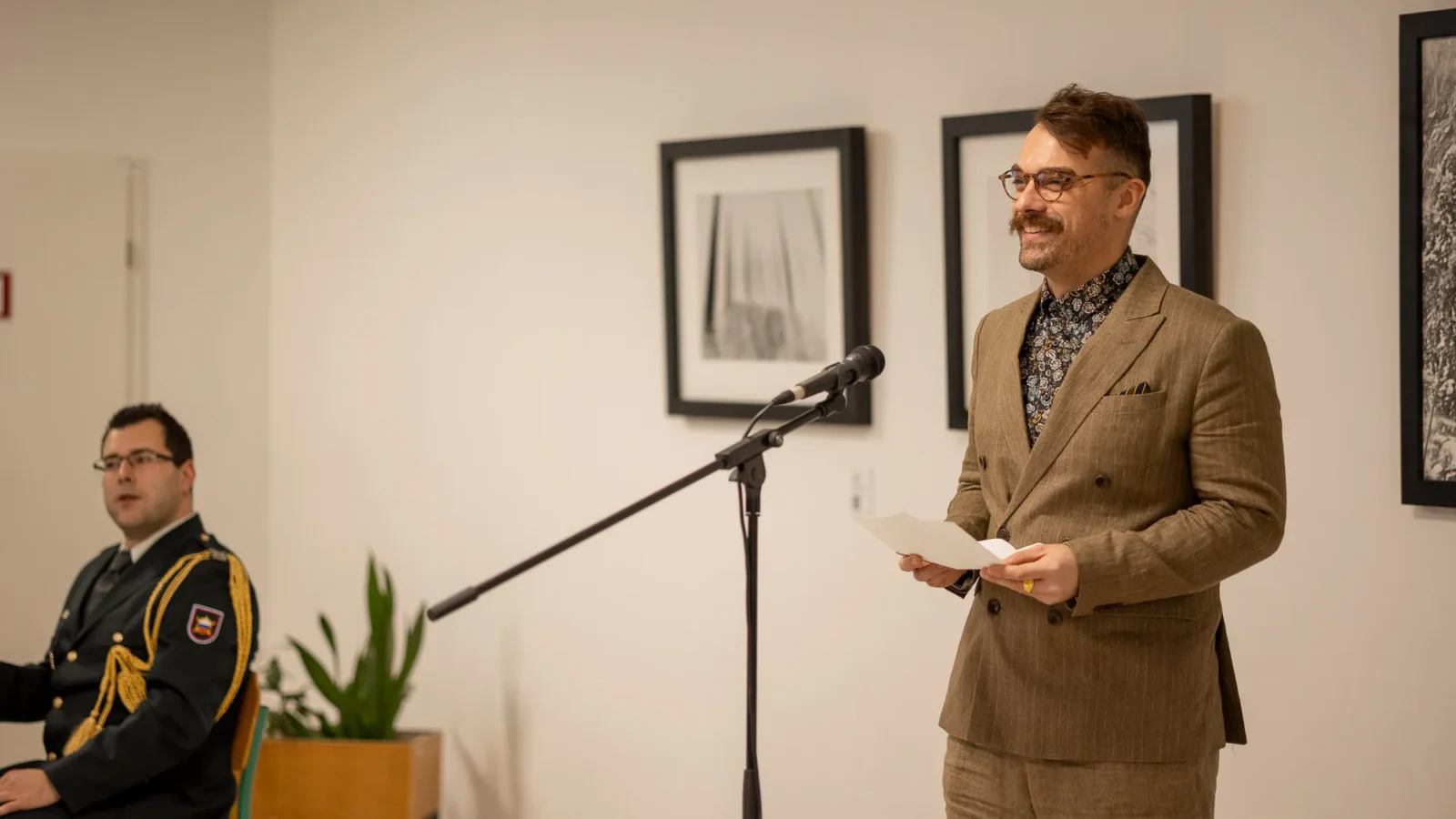
Five exhibitions at KIZC MORS connected contemporary art with the audience of Slovenia’s Ministry of Defence. The curatorial challenge was to find shared questions while preserving different artistic and critical perspectives. I selected projects addressing home, care, safety, love, land, forgiveness and patriotism, and led their production and promotion.
Different artists’ perspectives on overproduction, forgetting and renewal needed to come together as a coherent exhibition experience. I developed the curatorial concept and led production, connecting the works through space, projection, lighting and an original soundscape. Visitors could encounter the subject through more than visual experience alone.
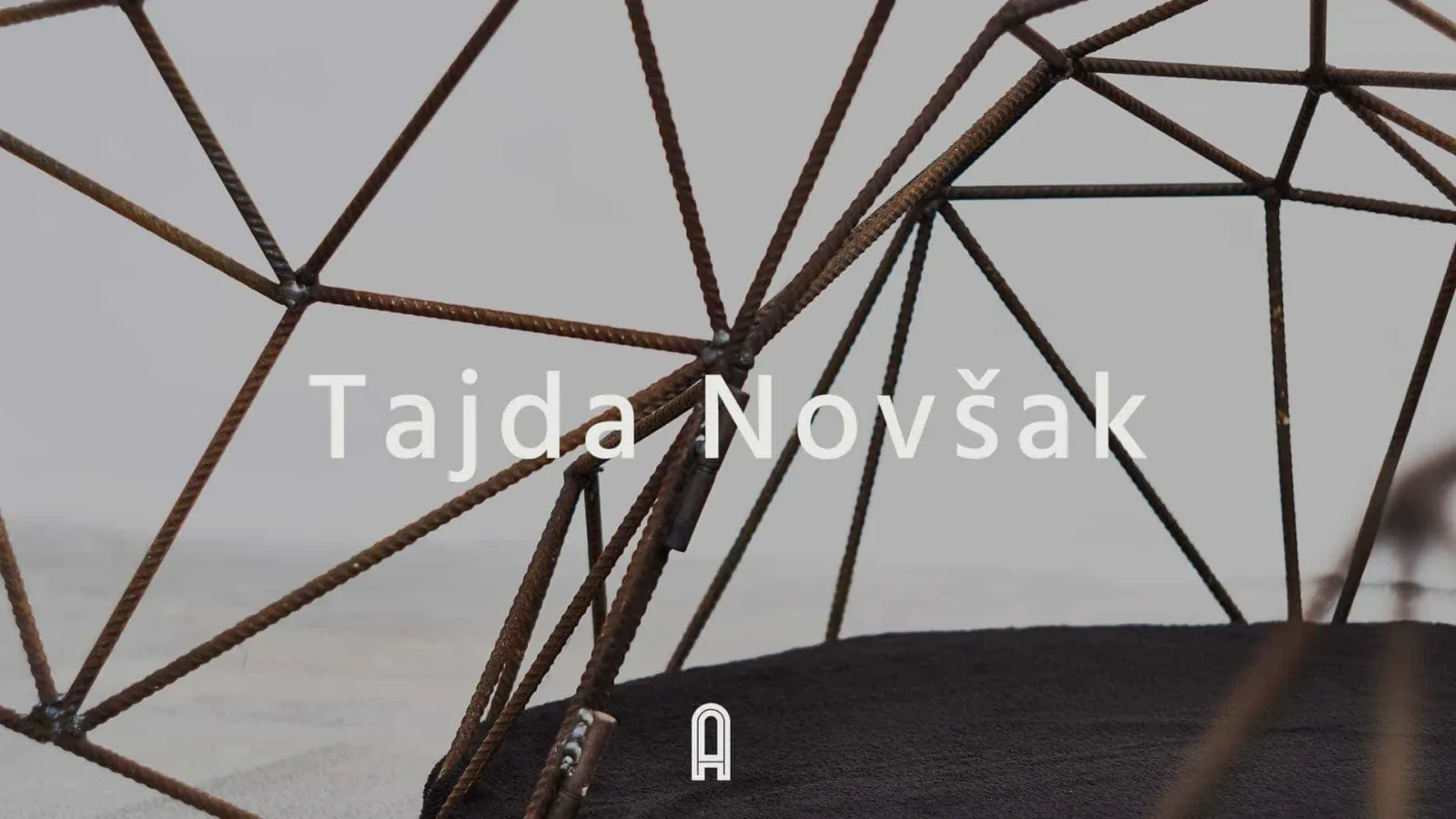
Producing the large-scale sculptures for Tajda Novšak’s exhibition required substantial funding and coordinated production. Through Artopolis Institute, I prepared the Ministry of Culture funding application and coordinated finances, the team and logistics in coproduction with Galerija Tkalka. My work also covered promotion and organising a video walkthrough of the exhibition.
HIPERprodukcija examined the pressure to constantly produce new work as a measure of artistic legitimacy. I developed one exhibition idea into three successive group exhibitions at Mladi zmaji, handling selection, artist fees and production. An accompanying talk connected the format with the working conditions it questioned.
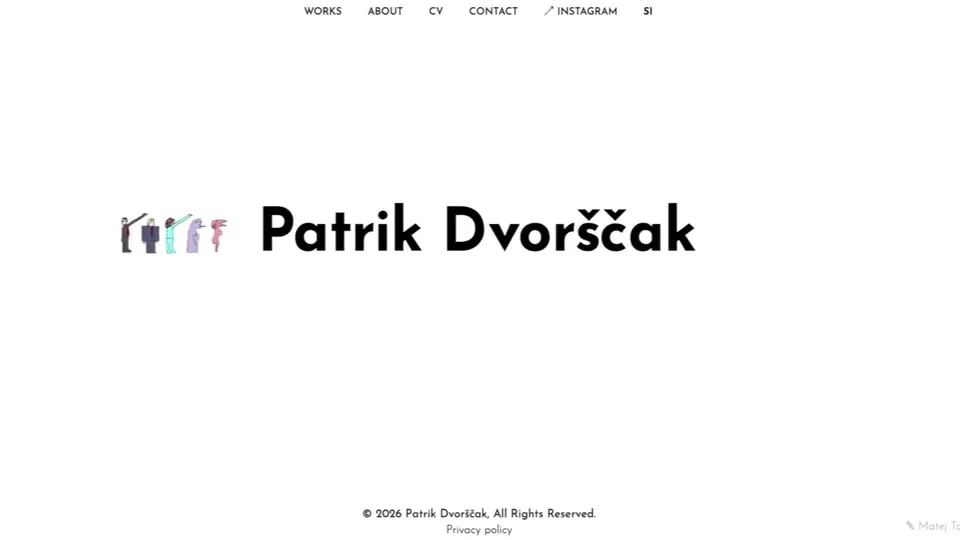
Patrik Dvorščak’s portfolio needed to reflect his work’s playful, critical character while presenting paintings professionally. I combined a prominent name graphic and animated figure with restrained typography and spacious galleries, built the bilingual website with straightforward editing and added my text on his practice.
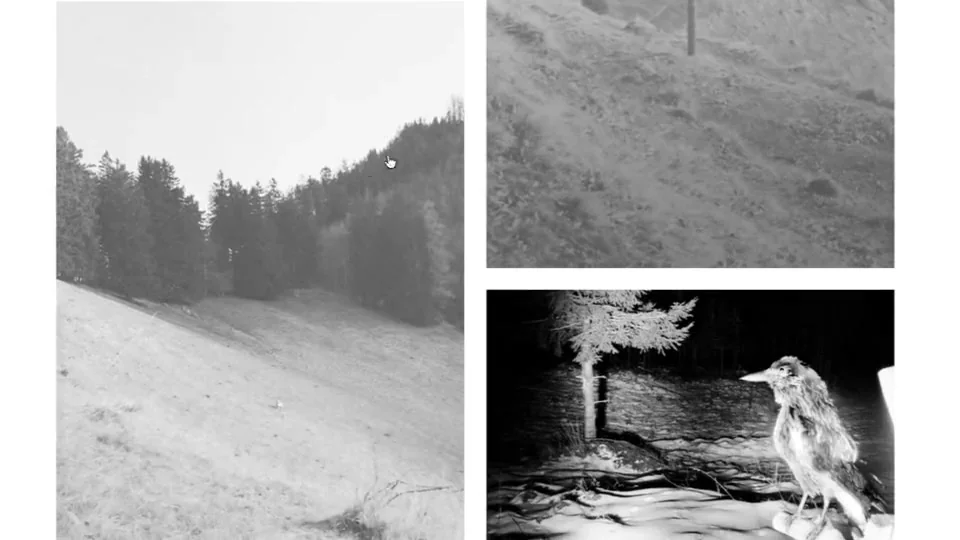
Jon Žagar needed a refined, quiet portfolio for different photographic series and image formats. I designed and built a bilingual website with restrained typography, generous spacing and galleries that preserved image proportions. Series-based navigation and individual work pages supported both an overview and closer viewing.
Each TO)pot edition needed a visual identity rooted in its curatorial theme. I translated these themes into vector illustrations and coordinated print and digital applications, developing the 2023 concept with Irena Pivka. The visual language evolved from anatomical imagery to a pause-symbol identity in 2026.
Molat Colony is a video work about an imagined residency devoted to rest and non-work. I contributed to its concept and realisation, and filmed and edited the video. The work explores the paradox of making a project about non-work, connecting artistic production, leisure, hyperproduction and ecology. It was produced by Maska Ljubljana and Cona in 2023.
Cona needed an archive and digital infrastructure that supported ongoing production and preserved completed work. I connected cloud services, servers and structured project information, using the website as an interface for accessing materials and generating exports from a shared source of production data.
At Cona, I connect art programme production with public presentation. I coordinate materials, production tasks and deadlines, design publications and communication materials, and handle public relations. Through photography and video, I document events and prepare content for their presentation. My work connects organisational and technical support with clear communication and materials that remain available after the events.
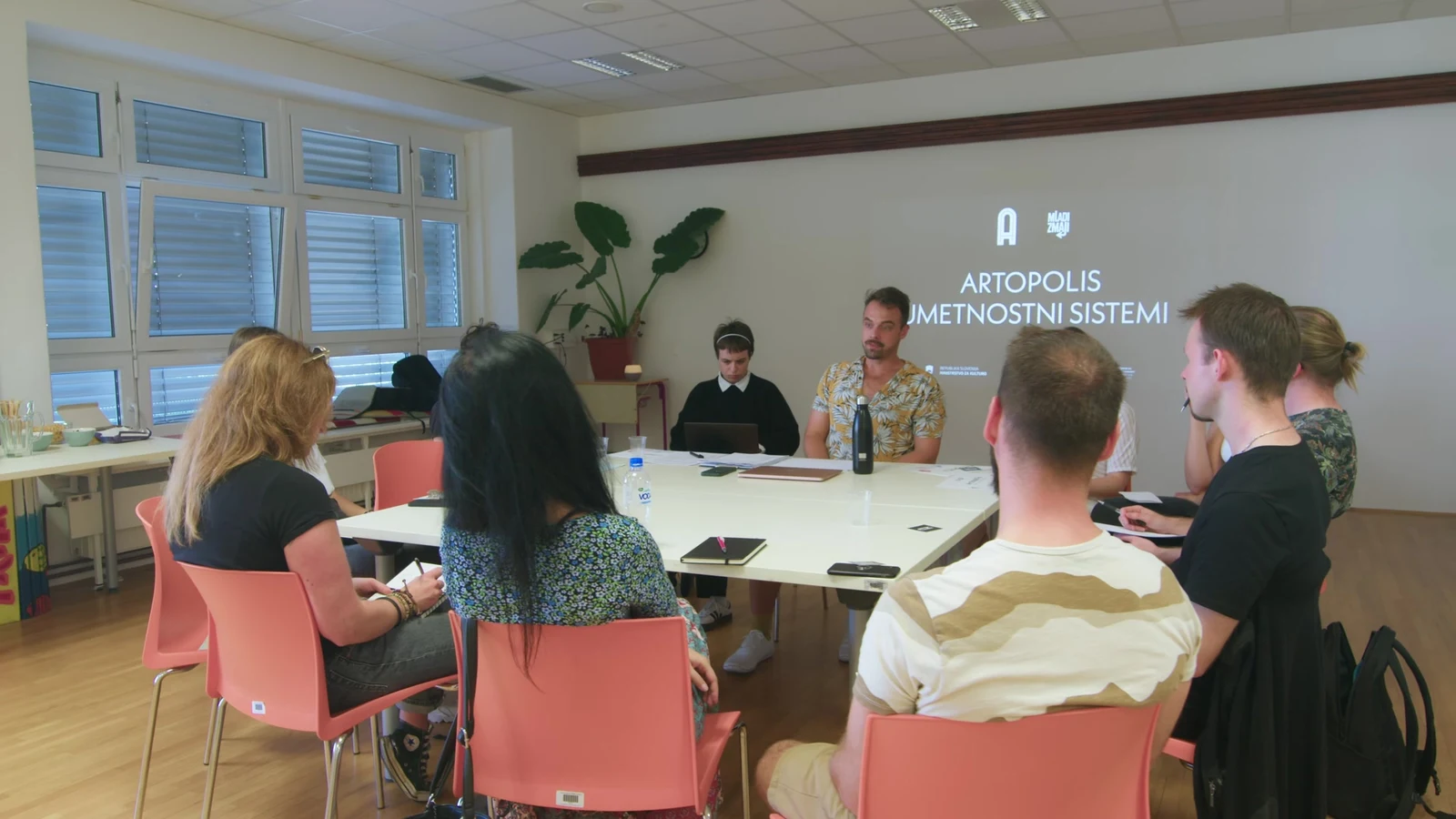
Artists needed business tools suited to artistic production and Slovenia’s art market. I developed an adapted business model, workbook and original examples connecting costs, pricing, time, audiences and funding. Workshops and mentoring helped participants apply the material to their projects, reaching approximately 400 participants across programme editions.
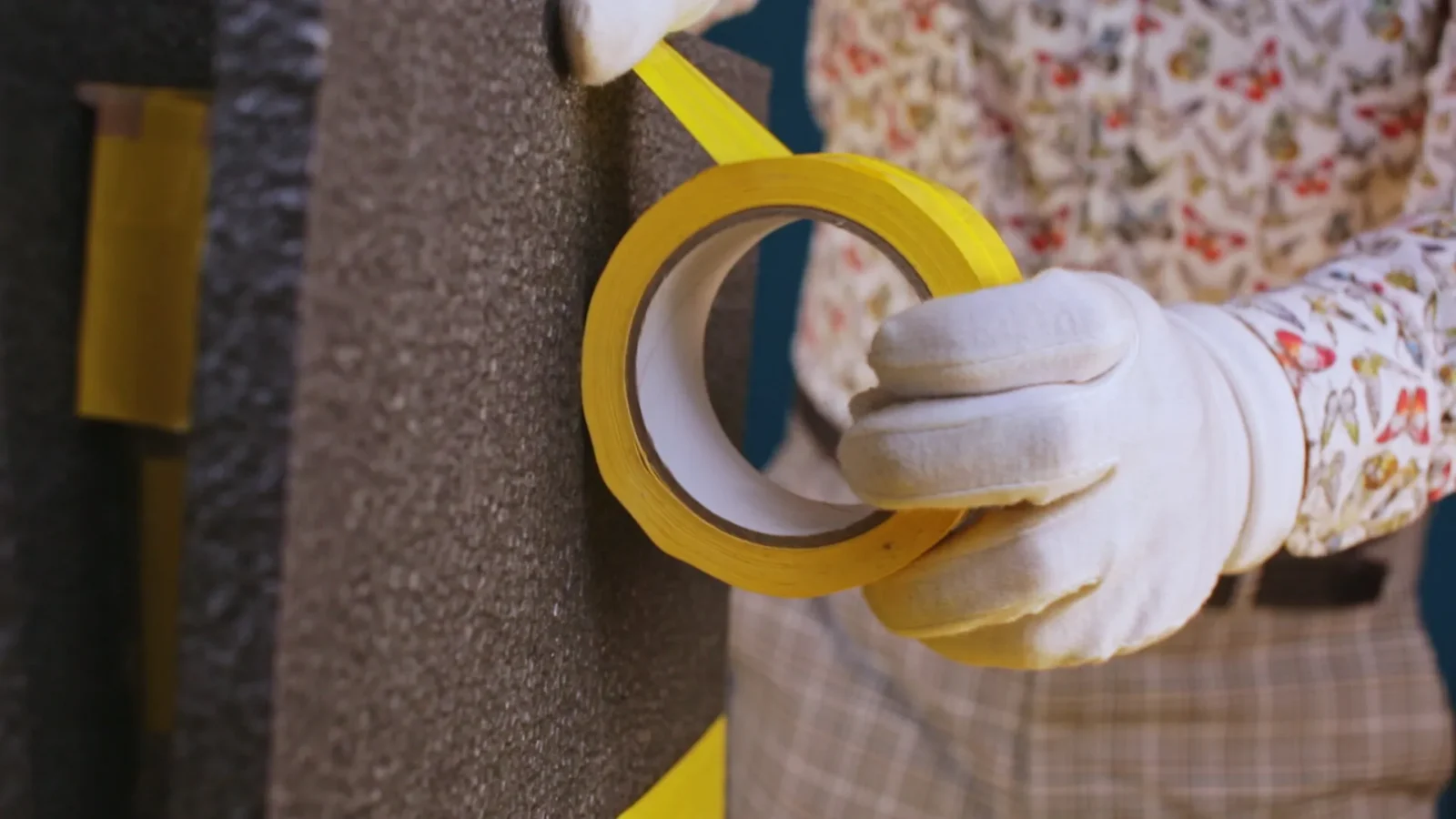
Artists needed detailed, professionally informed guidance on photographing and safely packing works, while Artopolis needed clearly documented requirements and responsibilities. Jan Dolar and I co-wrote 20 modules in Slovenian and English, each available as video, audio and PDF. Practical demonstrations and reference materials support artists as they carry out the procedures.
Artopolis’s launch campaign needed to introduce the platform while giving space to the artists it was built for. I directed video portraits and interviewed artists from varied backgrounds across Slovenia; Jan Dolar edited the videos. Their work and experiences introduced audiences to the platform’s inclusive approach.
The biennial’s varied programme needed accessible online communication and space for specialist discussion. I developed a video campaign combining international artist interviews, programme coverage and short promotional clips, including an in-depth conversation with Amy Whitaker. Preparation, editing and publication connected substantive content with different viewing formats.
Documenting works, managing sales, packing and arranging transport all take time away from making art. I designed Artopolis to connect artwork archives, public presentation, sales workflows and transport coordination with practical guidance. The digital system and supporting processes organise these tasks so artists can devote more attention to their practice.
Surviving Art explored how artists earn a living, sustain their careers and make time for their practice. I developed articles and critical interviews with artists, gallerists, students and theorists, handling podcast production and publication. Related research in London and Berlin examined different art markets and working conditions.
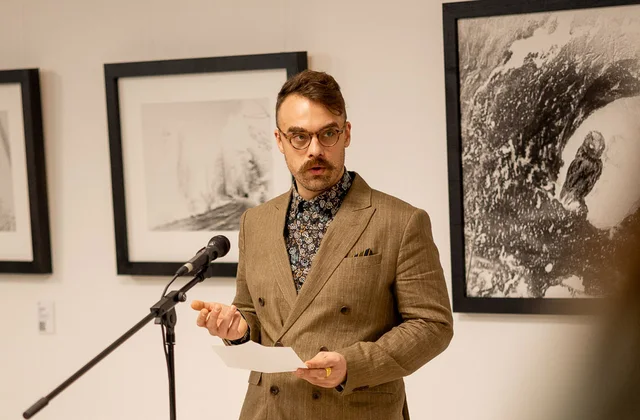
Photo: Andras Oravecz
A painter by education.
Through my work in contemporary art, gallery processes and production, I have expanded my practice into design and the development of digital systems.